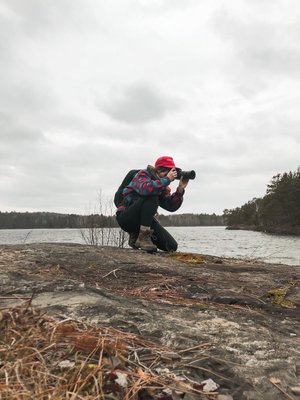
Author: Chantel McDougall, founder, Bluebird
In Ontario, skateboarding rarely looks like the versions we grew up seeing in magazines or online.
It isn’t all sun-soaked concrete and endless bowls; it’s uneven pavement after a long winter, hands stiff from the cold, and sessions squeezed into the few good months we get. It happens in city skateparks, schoolyards, in quiet parking lots, and in the corners of public parks where people carve out space for themselves.
It’s not always aesthetic, but it’s real. And more and more, within that reality, it’s girls showing up. For girls especially, that kind of environment can feel even more visible. Showing up to a park where you’re the only one like you, in a space that already feels temporary and weather-worn, takes a different kind of courage. It means learning not just the board, but the space itself; where to stand, when to drop in, how to exist without shrinking.
Skateboarding has always carried this undercurrent of rebellion, creativity, and self-expression, but for girls, accessing that space hasn’t always been straightforward. As the founder of Bluebird, a female-run skateboard company rooted here in this region, I’ve seen firsthand how much it matters when girls have access to environments that feel safe, local, and grounded in actual skate culture. Not curated spaces, not performative ones, but real, skater-led spaces where they can exist without feeling like they’re stepping into something that wasn’t built with them in the vision.
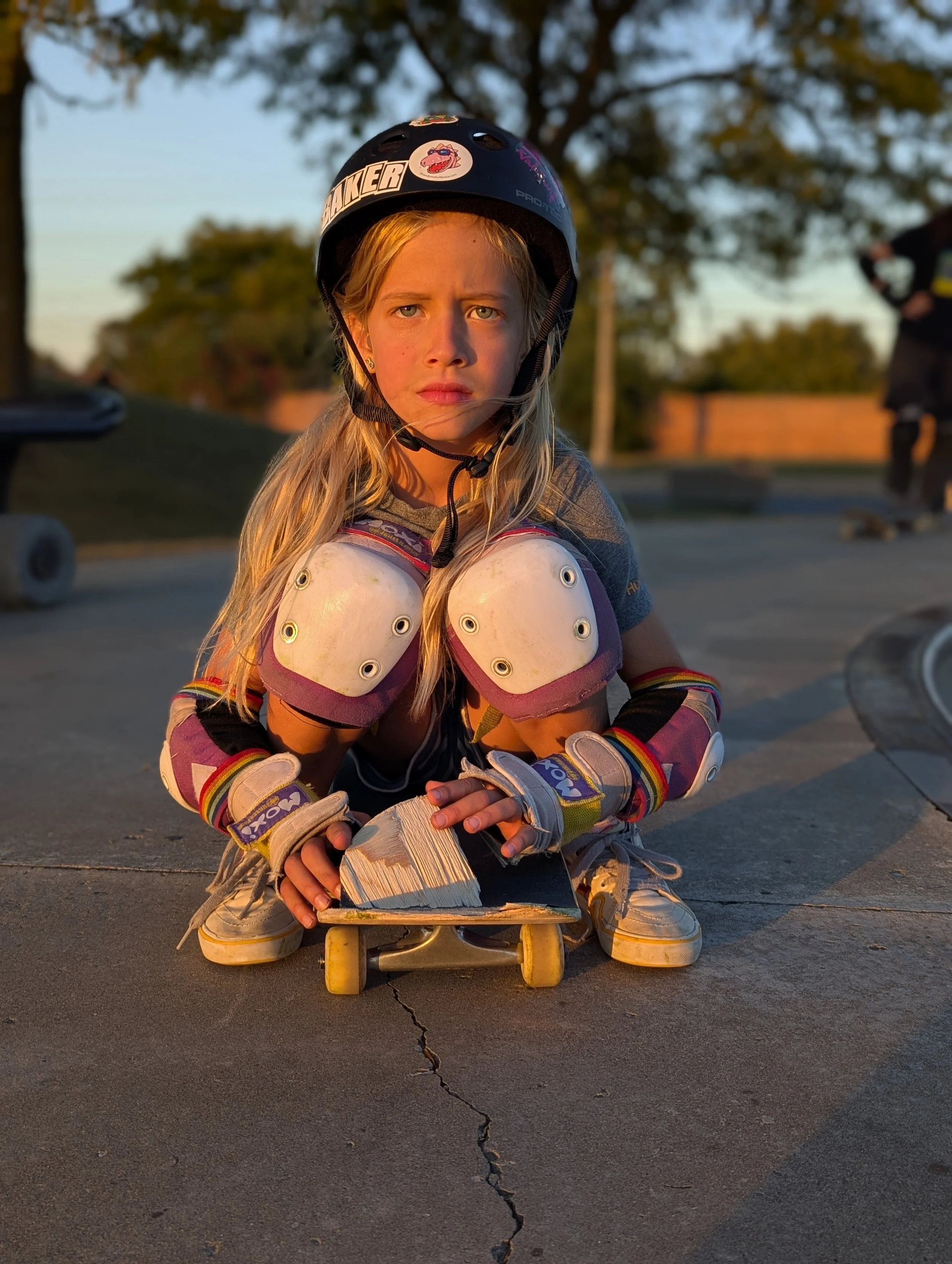
What’s been shifting, though, is hard to ignore.
More girls are stepping onto boards every year, not necessarily with the intention of making a statement, but by simply showing up and staying.
They’re learning, falling, progressing, and in doing so, they’re contributing to what skateboarding looks like. For many of them, it’s not about being invited into the culture, it’s about realizing they were always allowed to take up space within it. That shift doesn’t always happen loudly, but it builds over time in a way that feels both steady and undeniable.
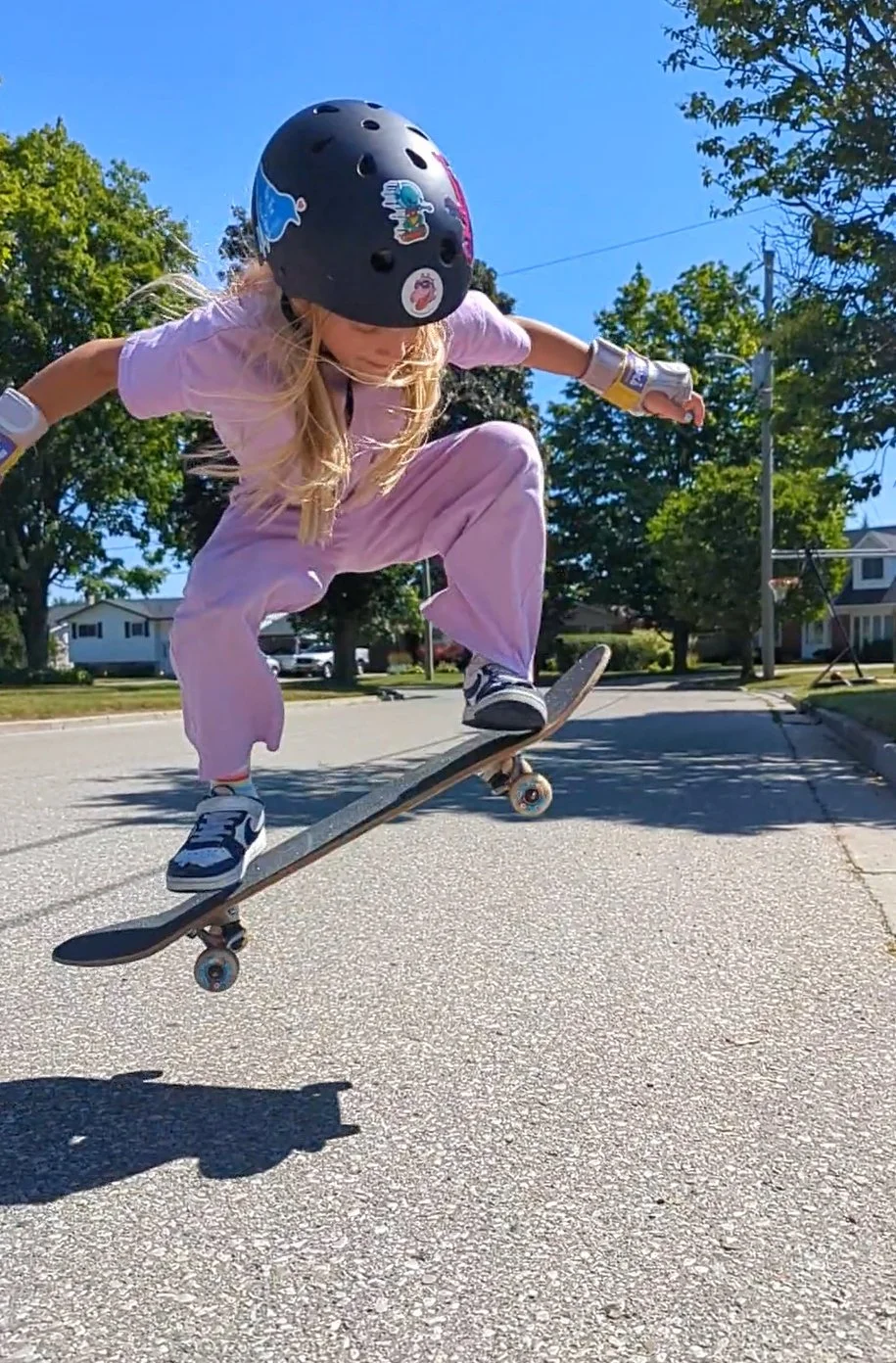
Skateboarding, at its core, asks something different of you than most activities. It doesn’t wait for confidence before it gives you access; instead, it requires you to move through discomfort first. For girls, that can mean navigating fear, visibility, and the pressure of learning something new in public. Falling becomes part of the process, not just physically but mentally, as you work through hesitation and self-doubt. For a lot of girls, that visibility carries an extra layer. You’re not just learning a trick, you’re aware of being watched while you learn it. That awareness doesn’t always go away, but over time, it loses its power. The focus shifts from who’s watching to what you’re building, what you’re working on, why you’re doing it. Over time, that repetition creates something deeper than skill. It builds resilience, self-trust, and a relationship with your body that has nothing to do with appearance and everything to do with capability. Strength, in that sense, becomes something you carry in how you move through the world, not how you’re seen within it.
There’s also a long history of women in skateboarding that often goes unacknowledged, even though it has always been there. From early pioneers to those who documented and preserved the presence of women in skate culture, there has been a continuous thread of contribution that didn’t always receive visibility at the time. For a long time, girls in skateboarding were present but not always visible; skating the same spaces, putting in the same work, but rarely reflected back in media or industry. A lot of that history exists in fragments, in photos, in memory, and in stories shared between skaters rather than formally documented. What’s different now is that these stories are being shared more openly, and new ones are being created in ways that are harder to overlook. Collectives like GRLSWIRL have taken that momentum and expanded it globally, building communities rooted in inclusion, support, and shared experience. What they’ve created isn’t about performance or perfection, but about showing up consistently and creating environments where progression feels collaborative rather than competitive.


At the same time, some of the most meaningful work is happening at a local level, in ways that have lasting impact. Across Ontario, women are building skate communities through consistency, care, and connection. Groups like Babes Brigade, Siren Section, Sisters of Shred, Girls+ Skate 613, and York Skateboarding are creating spaces where beginners and experienced skaters alike can come together without intimidation. These environments shift the entry point into skateboarding by removing pressure and replacing it with encouragement, allowing people to learn at their own pace while still feeling supported. In doing so, they aren’t just teaching skills, they’re creating a sense of belonging that makes it easier for people to stay.
You can see a similar shift happening with younger skaters, who are stepping into leadership roles in ways that feel natural rather than forced. Through grassroots crews, small community initiatives, and personal platforms, girls are organizing events, sharing their skating, and building spaces that reflect their own experiences. There’s a sense that they aren’t waiting for permission to participate, they’re creating on their own terms. What starts as learning how to ride often becomes something bigger. Girls begin to understand that the confidence they build on a board carries into other spaces: how they speak, how they take up space, and how they advocate for themselves and others. Skateboarding becomes a starting point, not an endpoint, for developing voice, confidence, and agency within a culture that they are actively contributing to and helping shape.
What’s happening locally is also part of something much bigger. Around the world, girls and women are using skateboarding as a way to express identity, challenge expectations, and build community in deeply meaningful ways. The ImillaSkate collective in Bolivia, for example, rides in traditional pollera skirts, merging cultural expression with skateboarding in a way that is both powerful and intentional. Their presence challenges assumptions about who skateboarding is for and what it can represent, showing that it can exist as both personal expression and cultural statement at the same time.
It’s also important to recognize that the growth of these spaces doesn’t happen in isolation. Skateboarding has always been built on a sense of shared knowledge and mentorship, and when that same foundation extends with genuine inclusivity, it strengthens the entire community. The most connected skate scenes aren’t divided: they’re collaborative, rooted in mutual respect and a shared understanding of what it means to learn, progress, and support one another. When girls are met with that kind of environment, the culture doesn’t lose anything; it becomes more layered, more creative, and more reflective of the people within it.
Claiming space, in that context, isn’t always a bold or obvious act. More often, it looks like persistence, showing up, trying, falling, and continuing anyway. It’s a quieter kind of strength, but one that builds over time and carries into other parts of life. Skateboarding becomes a place where that strength is practiced and reinforced, where resilience is not just talked about but lived.
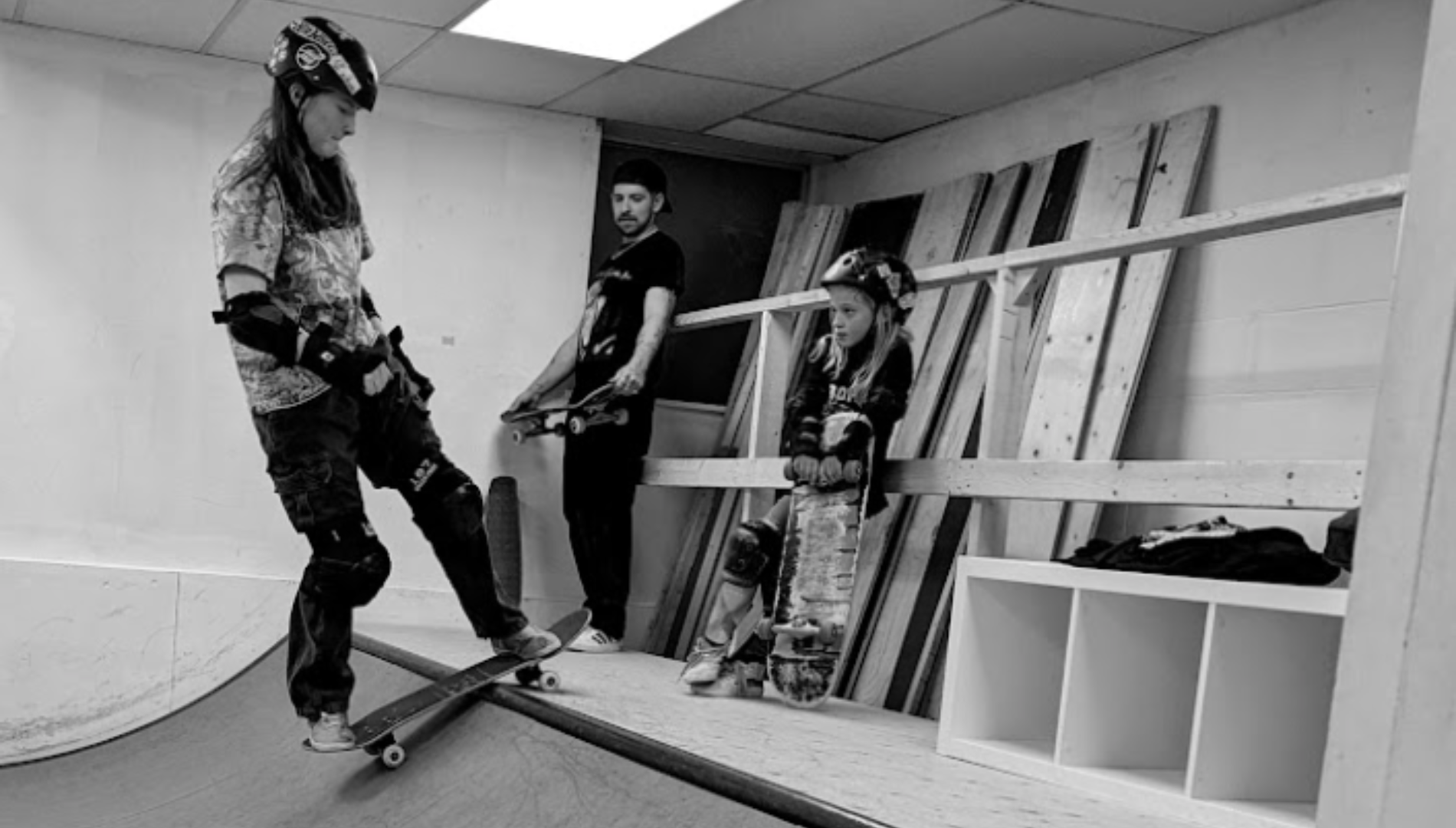
Across Ontario and beyond, that presence is growing. Girls are showing up, staying, and helping shape the culture in ways that feel grounded and lasting. They aren’t asking for space, and they aren’t waiting to be included. They’re already here, building something of their own: one session, one attempt, one moment at a time.
About Bluebird
Bluebird is a female-led skate company empowering the next generation of boarders. Founded by Chantel McDougall, a mental health nurse and skater, Bluebird blends nostalgia with a mission to build community and confidence. Based in Kitchener, Ontario, they create versatile gear rooted in creativity and giving back.